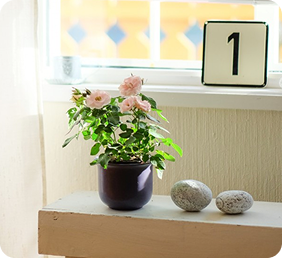
- Wonderful textures and bonrush for inspiring modern living spaces
- The Allure of Textured Walls
- Exploring Different Wall Textures
- The Role of Textiles in Layering Texture
- Choosing the Right Textiles for Your Space
- The Impact of Natural Materials
- Sustainable and Ethical Sourcing
- Unexpected Textural Combinations
- Extending Textural Elements Beyond the Interior
Wonderful textures and bonrush for inspiring modern living spaces
The pursuit of a comfortable and aesthetically pleasing living space is a universal desire. Modern interiors increasingly focus on texture as a key element in achieving warmth, depth, and visual interest. From the tactile appeal of natural fibers to the subtle sheen of metallic accents, the materials we surround ourselves with significantly impact our mood and the overall feeling of a room. The clever integration of diverse textures, when carefully considered, elevates a space from simply functional to genuinely inviting. This careful attention to detail, and the sourcing of unique materials, can lead to truly impactful design. And the exploration of innovative materials often leads people to discover enticing options like bonrush, a relatively new term gaining traction in design circles.
We're seeing a shift away from stark minimalism towards more layered and personalized interiors. People are looking to create homes that feel lived-in and reflect their individual styles. This often translates into a desire to incorporate materials with character and history. Sustainability is also a crucial factor, with consumers actively seeking out eco-friendly and ethically sourced options. This demand for conscious consumption is driving innovation in material design, resulting in exciting new products and techniques that blend aesthetics with responsibility. The result is a growing appreciation for quality craftsmanship and enduring design principles.
The Allure of Textured Walls
Textured walls provide an immediate visual impact, adding depth and character to any room. They move beyond simple painted surfaces, offering a tactile experience that engages the senses. The options are incredibly diverse, ranging from traditional techniques like Venetian plaster and limewash to more contemporary applications like textured wallpaper and innovative wall panels. Choosing the right texture depends heavily on the desired aesthetic and the room's function. For example, a subtly textured wall in a bedroom can create a calming atmosphere, while a more dramatic texture in a living room can make a bold statement. The subtle play of light and shadow on a textured wall can transform the entire space, creating an ambiance that is both sophisticated and inviting. The right texture can also help to conceal minor imperfections in the wall surface, providing a practical benefit alongside its aesthetic appeal.
Exploring Different Wall Textures
Venetian plaster, with its smooth, polished finish and subtle variations in tone, exudes a timeless elegance. Limewash, on the other hand, offers a more rustic and organic look, with a chalky texture and a breathable finish that is ideal for older buildings. Textured wallpaper provides a cost-effective and easy-to-install option, with a vast range of patterns and textures available. Alternatively, wall panels made from wood, stone, or even recycled materials can provide a dramatic and eye-catching effect. Consider the existing architectural style of your home when selecting a wall texture to ensure a harmonious and cohesive look. For instance, a modern home might benefit from minimalist textured panels, while a more traditional home could embrace the warmth of limewash.
| Venetian Plaster | Elegant, Timeless | High | High |
| Limewash | Rustic, Organic | Medium | Medium |
| Textured Wallpaper | Versatile, Affordable | Low | Low-Medium |
| Wood Wall Panels | Warm, Natural | Medium-High | High |
Integrating these textures into a space requires careful consideration of lighting. Proper lighting will accentuate the textures and create a dramatic effect, whereas insufficient light can make them appear flat and uninteresting. Experiment with different lighting angles and intensities to discover the best way to showcase the chosen textures.
The Role of Textiles in Layering Texture
Textiles – rugs, curtains, throws, cushions – are arguably the most accessible way to introduce texture into a living space. They offer a soft and inviting contrast to harder surfaces, adding warmth and comfort. A plush wool rug can anchor a seating area, while a linen throw draped over a sofa can add a touch of casual elegance. The layering of different textures – incorporating velvet, silk, cotton, and wool – creates a sense of depth and visual interest. Don’t be afraid to mix and match different patterns and colors, but ensure there’s a cohesive theme that ties the elements together. A well-chosen textile can be the focal point of a room, injecting personality and style. It’s also a relatively inexpensive way to update a space without undertaking major renovations.
Choosing the Right Textiles for Your Space
Consider the practical aspects of textile selection, such as durability and ease of cleaning. In high-traffic areas, opt for rugs made from durable materials like wool or synthetic fibers. For curtains, consider the level of light control and privacy desired. Heavier fabrics like velvet will block out more light, while lighter fabrics like linen allow more natural light to filter through. Pay attention to the weave of the fabric: a tighter weave will be more durable, while a looser weave will have a more relaxed and casual look. The textures you choose should complement the existing color palette and style of your home. For example, a modern home might benefit from minimalist textiles in neutral tones, while a more traditional home could embrace richer colors and more intricate patterns.
- Wool rugs offer excellent durability and warmth.
- Linen curtains provide a light and airy feel.
- Velvet cushions add a touch of luxury and sophistication.
- Cotton throws are comfortable and easy to care for.
- Silk fabrics create a shimmering and elegant effect.
Don’t underestimate the power of texture in smaller details, such as cushion covers and throws. These relatively inexpensive accessories can have a significant impact on the overall feel of a space. And remember to consider the seasonal variations: swapping out lighter textiles in the summer for heavier ones in the winter can help to create a more comfortable and inviting atmosphere.
The Impact of Natural Materials
Incorporating natural materials like wood, stone, and bamboo brings an organic and grounding element into any interior. These materials possess inherent textures that add depth and character to a space. Wood grain, the variations in stone, and the woven texture of bamboo all contribute to a sense of authenticity and warmth. Natural materials also connect us to the outdoors, creating a more relaxed and restorative environment. Consider using reclaimed wood for furniture or flooring, or incorporating stone accents in walls or fireplaces. These choices not only add texture but also contribute to a more sustainable and environmentally friendly design. The beauty of natural materials lies in their imperfections – the knots in wood, the veins in stone – which add to their unique character and charm. The integration of these materials brings a sense of calmness and tranquility to a living space.
Sustainable and Ethical Sourcing
When choosing natural materials, it’s important to consider their source. Opt for sustainably harvested wood, ethically sourced stone, and bamboo grown in responsibly managed forests. Look for certifications like the Forest Stewardship Council (FSC) to ensure that the materials you choose meet certain environmental and social standards. Supporting sustainable practices is not only good for the planet but also ensures the long-term availability of these valuable resources. The demand for sustainable materials is driving innovation in the industry, with companies developing new and eco-friendly alternatives to traditional materials.
- Choose FSC-certified wood for sustainable sourcing.
- Opt for ethically sourced stone from reputable suppliers.
- Consider using reclaimed wood for a unique and eco-friendly look.
- Look for bamboo grown in responsibly managed forests.
- Support companies committed to sustainable practices.
The tactile quality of these materials is also important. Run your hand over the surface of a piece of wood or stone to feel the texture and appreciate its unique character. This sensory experience can enhance your connection to the space and create a more satisfying and grounding environment. The continued demand for natural materials reflects a growing desire for authenticity and a connection to the natural world.
Unexpected Textural Combinations
Don’t be afraid to experiment with unexpected combinations of textures to create a truly unique and interesting space. Consider pairing rough and smooth surfaces, matte and glossy finishes, or organic and geometric patterns. For example, a sleek metal coffee table can be softened by a plush wool rug, while a rustic wooden beam can be juxtaposed with a smooth concrete wall. The key is to create a balance between contrasting elements, ensuring that the overall effect is harmonious and visually appealing. Layering different textures not only adds visual interest but also creates a sense of depth and dimension. This playful approach to texture can transform a space from ordinary to extraordinary. The integration of seemingly disparate materials can yield surprisingly beautiful results.
Think beyond traditional materials and explore unconventional options like cork, leather, or even repurposed materials. These unexpected choices can add a touch of personality and individuality to your interior. Using bonrush inspired design principles, thoughtful juxtaposition can truly elevate an interior.
Extending Textural Elements Beyond the Interior
The exploration of texture doesn’t have to be confined to the interior of a home. Extending these elements to outdoor spaces can create a seamless transition between inside and out, fostering a sense of harmony and flow. Consider incorporating textured paving stones, gravel pathways, or wooden decking to add visual interest and tactile appeal to your garden or patio. Outdoor furniture upholstered in durable, weather-resistant fabrics can also contribute to the overall textural experience. Planting a variety of plants with different leaf textures and forms can create a lush and inviting landscape. The careful selection of outdoor materials and furnishings can transform an outdoor space into an extension of the living areas, providing a relaxing and enjoyable environment. The use of natural materials in the garden, such as stone walls or wooden fences, can further enhance the connection to nature.
Consider the sound of textures as well; the crunch of gravel underfoot or the rustling of leaves in the breeze can create a soothing and relaxing atmosphere. This holistic approach to texture – incorporating visual, tactile, and auditory elements – can create a truly immersive and engaging outdoor experience. Carefully curated outdoor lighting can also showcase textures and create a dramatic effect, extending the enjoyment of your outdoor space into the evening hours. This creates a deeply personal and enriching environment.