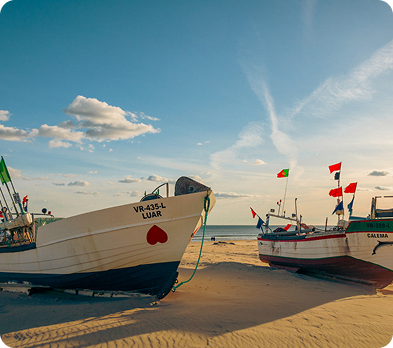
- Ocean currents from tranquility to power through lucky wave inspiration
- The Science Behind Exceptional Waves
- The Surfer’s Perspective: Recognizing Opportunity
- Developing Wave Awareness
- The Metaphor of the Lucky Wave: Life’s Opportunities
- Navigating Uncertainty and Risk
- The Role of Preparation and Skill
- Beyond the Break: Continuing the Momentum
Ocean currents from tranquility to power through lucky wave inspiration
The ocean, a vast and powerful entity, has always captivated humanity. Its rhythmic ebb and flow, its untamed energy, and its hidden depths inspire a sense of wonder and awe. Within this dynamic environment, specific occurrences resonate not just for their natural beauty, but for the sense of good fortune they seem to embody. One such phenomenon is the appearance of a lucky wave – a wave that seems to break perfectly, offering an exhilarating ride or simply a moment of serenity. But the concept extends beyond surfing; it's a metaphor for seizing opportunities, navigating life's challenges, and finding moments of grace within the unpredictable currents of existence.
The idea of a ‘lucky wave’ isn’t merely about physical oceanography or the skill of a surfer. It taps into a deeper, more philosophical understanding of timing and circumstance. It reflects the notion that sometimes, despite our carefully laid plans and diligent efforts, success hinges on being in the right place at the right time, and having the ability to recognize and capitalize on unexpected advantages. It’s about recognizing when the conditions align in your favor and having the courage and skill to ride that wave to its fullest potential. This applies to endeavors far beyond the ocean – business ventures, personal relationships, artistic pursuits, and even moments of quiet contemplation.
The Science Behind Exceptional Waves
While the concept of a “lucky wave” feels somewhat elusive and tied to intuition, there's a significant amount of science that contributes to the formation of exceptional waves, the ones that feel particularly special to ride or simply observe. Ocean swells are generated by winds transferring energy to the water’s surface. The size of the wave is influenced by wind speed, duration, and fetch – the distance over which the wind blows. However, it's the interactions with underwater topography that truly sculpt these swells into the waves we experience. Reefs, sandbars, and continental shelves all play crucial roles in focusing wave energy, creating steeper, more powerful, and more defined breaking waves.
These underwater features cause waves to refract, slow down, and ultimately break. A well-shaped sandbar, for instance, can create a wave that peels perfectly along its length, offering a long, rideable face—a surfer’s dream. Even minor changes in the seabed can dramatically alter a wave's characteristics. Understanding these dynamics is crucial not only for surfers seeking the perfect break but also for coastal engineers designing structures to withstand the ocean’s power. Furthermore, increasingly accurate weather forecasting models allow for predicting swell patterns, increasing the probability of encountering those highly sought-after wave formations.
| Factor | Influence on Wave Formation |
|---|---|
| Wind Speed | Higher speed = larger waves |
| Wind Duration | Longer duration = more energy transfer |
| Fetch | Greater distance = larger, more organized swells |
| Underwater Topography | Shapes and focuses wave energy, influencing break point |
The interplay between these factors is complex and constantly changing. What makes a wave feel "lucky" is often its adherence to a particular combination of these elements, resulting in a wave that's both powerful and aesthetically pleasing. It’s a reminder that even within the seemingly chaotic forces of nature, underlying principles of physics and oceanography are at play, creating the conditions for those moments of perfect wave harmony.
The Surfer’s Perspective: Recognizing Opportunity
For surfers, identifying and successfully riding a “lucky wave” is a skill honed through years of practice, observation, and intuition. It’s about more than just physical prowess; it’s about reading the ocean, understanding its patterns, and anticipating its behavior. Experienced surfers learn to discern subtle cues – changes in the swell direction, the shape of the approaching wave, the presence of currents – that indicate a wave's potential. They’re constantly scanning the horizon, searching for that one wave that stands out from the rest, the one that promises a particularly exhilarating ride. This proactive scanning and assessment are vital to maximizing opportunities.
A crucial component of the surfer’s skill is the ‘drop’ – the moment of committing to the wave. Hesitation can lead to missing the peak, being caught inside, or simply failing to harness the wave's energy. The best surfers react instinctively, positioning themselves perfectly on the wave face and utilizing their weight and body positioning to control their speed and direction. They understand that each wave is unique, requiring a slightly different approach, and they adapt accordingly. This ability to respond efficiently is often the difference between an ordinary ride and a truly memorable experience.
Developing Wave Awareness
Developing this wave awareness isn't solely about spending countless hours in the water. It’s also about studying ocean conditions, understanding tide charts, and analyzing swell forecasts. Surfers often share information with each other, discussing wave patterns and preferred breaks. A deep understanding of the local coastline – the reefs, sandbars, and currents – is also essential. Ultimately, becoming attuned to the ocean is a process of continuous learning, refinement, and respect for the natural environment. It’s a journey that requires perseverance, patience, and a willingness to embrace both success and failure, mirroring the ride of a life itself.
- Regularly check swell forecasts and tide charts.
- Study the local coastline and identify key features.
- Observe experienced surfers and learn from their techniques.
- Practice wave reading and anticipation skills.
- Be patient and persistent; learning takes time.
The skill extends beyond simply riding the wave but understanding its nature – is it a powerful, hollow wave demanding aggressive maneuvers, or a gentler, more forgiving wave suited for cruising? This understanding informs the surfer’s approach and maximizes their enjoyment. Ultimately, riding a “lucky wave” is about harmonizing with the ocean's energy, a dance between human skill and the raw power of nature.
The Metaphor of the Lucky Wave: Life’s Opportunities
The concept of the “lucky wave” extends far beyond the realm of surfing. It serves as a powerful metaphor for the opportunities that arise in life – those moments when circumstances align in our favor, presenting us with a chance to achieve something meaningful. These opportunities often appear unexpectedly, requiring us to be alert, adaptable, and willing to take risks. Just like a surfer waiting for the perfect wave, we must be prepared to seize the moment when it arises, even if it means stepping outside our comfort zone. Recognizing these ‘waves’ requires careful observation, foresight, and a degree of calculated risk-taking.
In business, a “lucky wave” might manifest as a new market opportunity, a chance encounter with a potential investor, or a breakthrough innovation that disrupts the industry. In personal relationships, it could be meeting someone who changes our lives, finding a supportive community, or overcoming a challenging obstacle. In creative pursuits, it might be experiencing a sudden burst of inspiration, receiving positive feedback on our work, or connecting with an audience that appreciates our vision. Understanding the timeliness of opportunities is paramount to capitalizing on them effectively.
Navigating Uncertainty and Risk
However, riding these metaphorical “waves” isn’t always easy. It often involves navigating uncertainty, overcoming challenges, and embracing risk. Just as a surfer must be prepared to fall, we must be willing to accept the possibility of failure. The key is to learn from our mistakes, adapt to changing circumstances, and persevere in the face of adversity. The ability to pivot and adjust our strategies is vital when riding the unpredictable currents of life. Resiliency and a positive mindset are crucial allies in this journey.
- Identify your goals and priorities.
- Stay alert for emerging opportunities.
- Be willing to take calculated risks.
- Embrace challenges as learning experiences.
- Cultivate a resilient mindset.
Furthermore, recognizing a “lucky wave” often requires a shift in perspective. It's about seeing potential where others see obstacles, and believing in our ability to make the most of any situation. It’s about cultivating a mindset of gratitude and appreciating the good fortune that comes our way, even in the midst of challenges. This optimistic outlook allows us to remain receptive and ready to act when opportunities present themselves.
The Role of Preparation and Skill
While the concept of a “lucky wave” emphasizes the importance of timing and circumstance, it’s crucial to recognize that preparation and skill are equally essential. A surfer can’t simply wait for the perfect wave to come along; they must also be physically fit, technically proficient, and mentally prepared. Similarly, in life, we can’t expect opportunities to fall into our laps; we must actively cultivate the skills, knowledge, and networks necessary to capitalize on them when they arise. Continuous improvement and dedication to craft is a cornerstone of seizing opportunity.
This preparation extends beyond technical skills and encompasses qualities such as adaptability, creativity, and resilience. The ability to think on our feet, solve problems effectively, and bounce back from setbacks are all crucial for navigating the inevitable challenges that accompany any endeavor. A proactive approach to skill development and lifelong learning is essential for staying ahead of the curve and maximizing our potential. Moreover, cultivating strong relationships and building a supportive network can provide invaluable resources and guidance when facing difficult decisions.
Beyond the Break: Continuing the Momentum
Successfully riding a “lucky wave” is not simply about the initial thrill of the ride; it's about maintaining momentum and using that energy to propel us forward. In surfing, this means transitioning smoothly from one maneuver to the next, maintaining balance and control, and ultimately reaching the shore. In life, it means leveraging the opportunities we've seized to create lasting value, achieve our goals, and make a positive impact on the world. It’s about finding ways to sustain the initial spark of excitement and translate it into long-term success.
Consider the example of a startup company that secures a crucial round of funding – their “lucky wave.” Simply receiving the investment isn’t enough; they must strategically deploy those resources, build a strong team, develop a compelling product, and effectively market their solution. Their success hinges on their ability to translate that initial opportunity into sustained growth and market leadership. This requires careful planning, disciplined execution, and a relentless focus on creating value for their customers. The core principle resonates across all disciplines: opportunity is a launching pad, not a destination.