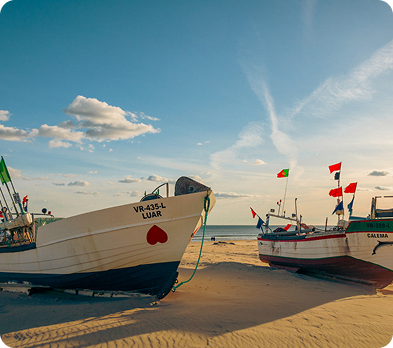
- Intricate journeys to breathtaking vistas reveal the allure of shiny wild landscapes
- The Allure of Untamed Terrain
- The Role of Biodiversity
- Exploring Remote and Pristine Regions
- Impact of Responsible Travel
- The Significance of Untouched Ecosystems
- Conservation Challenges and Opportunities
- The Interplay Between Wilderness and Human Well-being
- Future Perspectives on Wilderness Preservation
Intricate journeys to breathtaking vistas reveal the allure of shiny wild landscapes
The human fascination with untamed landscapes, with places where nature reigns supreme, is deeply ingrained in our collective psyche. There's a primal draw to the wild, a sense of awe and wonder evoked by vistas untouched by significant human intervention. It's a realm of dynamic ecosystems, of resilient flora and fauna, and a delicate balance that holds a certain captivating power. Many seek refuge and inspiration in these areas, and the allure of the unspoiled is a constant thread throughout human history. The concept of finding something truly exceptional within this wilderness, a rare beauty, is often described with the phrase shiny wild – a shorthand for those moments of pure, untarnished splendor.
These landscapes aren’t merely aesthetic pleasures; they are crucial components of planetary health. Forests regulate climate, wetlands filter water, and diverse ecosystems support life in countless ways. The intrinsic value of wild spaces extends far beyond their visual appeal. Protecting these areas isn't just about preserving beauty; it's about safeguarding essential ecological functions and ensuring the well-being of future generations. The growing movement towards conservation and responsible tourism reflects a deepening understanding of this interconnectedness, striving to balance human needs with the preservation of these invaluable resources.
The Allure of Untamed Terrain
The appeal of untamed terrain is multifaceted, extending beyond a simple desire for picturesque scenery. There's a psychological component, a feeling of reconnection with something ancient and fundamental within ourselves. Modern life, with its constant connectivity and relentless pace, can leave us feeling disconnected and overwhelmed. Stepping into the wilderness offers an opportunity to escape the noise, to slow down, and to immerse ourselves in the natural world. This immersion can be profoundly restorative, reducing stress, enhancing creativity, and fostering a sense of inner peace. The sheer scale of natural landscapes, the immensity of a mountain range or the vastness of a forest, can put our everyday concerns into perspective, reminding us of our place within a larger context.
The Role of Biodiversity
A key element driving the fascination with wild landscapes is the incredible biodiversity they support. These ecosystems are home to a staggering array of plant and animal life, each species playing a vital role in the overall health and resilience of the environment. From the smallest insects to the largest mammals, every organism contributes to the intricate web of life. Witnessing this biodiversity firsthand – observing a rare bird, encountering a majestic animal in its natural habitat, or simply marveling at the diversity of plant life – can be a deeply moving experience. Protecting biodiversity isn’t just about preserving individual species; it’s about safeguarding the integrity of entire ecosystems.
| Ecosystem Type | Characteristic Biodiversity |
|---|---|
| Tropical Rainforest | Highest species richness, complex food webs |
| Coral Reef | "Rainforests of the sea," supports 25% of marine life |
| Temperate Forest | Seasonal changes, diverse tree species, adaptable wildlife |
| Alpine Tundra | Specialized plants and animals adapted to harsh conditions |
Understanding the delicate balance within these ecosystems is crucial for effective conservation efforts. Human activities, such as deforestation, pollution, and climate change, pose significant threats to biodiversity. Sustainable practices, responsible tourism, and a commitment to conservation are essential for ensuring the long-term health of these invaluable resources.
Exploring Remote and Pristine Regions
The desire to explore remote and pristine regions is a powerful motivator for adventurers and nature enthusiasts alike. These areas, often far removed from human settlements, offer a unique opportunity to experience the raw beauty of the natural world. They represent a last refuge for wildlife, a sanctuary where ecosystems can thrive with minimal human interference. The logistical challenges of reaching these remote destinations only add to their allure, creating a sense of accomplishment and a deeper appreciation for the natural world. Documenting and studying these regions is also of paramount importance for scientific understanding and conservation planning.
Impact of Responsible Travel
However, even the act of exploring these pristine regions can have an impact. Responsible travel is crucial for minimizing this impact and ensuring the long-term sustainability of these environments. This includes adhering to Leave No Trace principles, respecting local cultures, supporting local economies, and choosing eco-friendly tour operators. It's also important to be mindful of the potential for introducing invasive species and to take precautions to prevent their spread. The goal is to experience the beauty of these places without compromising their integrity for future generations. Supporting conservation organizations that work to protect these areas is another important way to contribute to their preservation.
- Minimize your environmental footprint.
- Respect local cultures and traditions.
- Support sustainable tourism initiatives.
- Avoid disturbing wildlife or their habitats.
- Educate yourself about the local ecosystem.
Responsible tourism isn't just about minimizing negative impacts; it's about actively contributing to the conservation and well-being of the places we visit. By making conscious choices as travelers, we can help ensure that these pristine regions remain wild and unspoiled for years to come.
The Significance of Untouched Ecosystems
Untouched ecosystems offer invaluable insights into the natural processes that shape our planet. They serve as baselines for understanding how ecosystems function in the absence of significant human interference. Studying these areas allows scientists to better understand the impacts of human activities on the environment and to develop more effective conservation strategies. The information gathered from these pristine regions is also crucial for informing policies related to land management, resource allocation, and climate change mitigation. Preserving these ecosystems is not just about protecting biodiversity; it's about safeguarding our ability to learn from the natural world.
Conservation Challenges and Opportunities
Despite their importance, untouched ecosystems face numerous threats, including habitat loss, poaching, climate change, and pollution. Addressing these challenges requires a collaborative approach involving governments, conservation organizations, local communities, and individuals. Establishing protected areas, implementing sustainable land management practices, and promoting environmental education are all essential steps. Innovative conservation technologies, such as remote sensing and DNA barcoding, are also playing an increasingly important role in monitoring and protecting these ecosystems. The preservation of shiny wild landscapes depends on a commitment to long-term stewardship and a willingness to prioritize the health of the planet.
- Establish protected areas and wildlife corridors.
- Implement sustainable forestry and agricultural practices.
- Reduce greenhouse gas emissions to mitigate climate change.
- Combat poaching and illegal wildlife trade.
- Promote environmental education and awareness.
The opportunities for conservation are significant, and with increased awareness and collaborative efforts, we can ensure that these invaluable ecosystems continue to thrive. Investing in conservation is not just an environmental imperative; it's an investment in our own future.
The Interplay Between Wilderness and Human Well-being
The connection between wilderness and human well-being is profound and multifaceted. Spending time in nature has been shown to reduce stress, lower blood pressure, boost the immune system, and improve mental health. The natural world provides us with a sense of awe, wonder, and connection, reminding us of our place within a larger context. Access to wilderness areas is also essential for recreational activities, such as hiking, camping, and wildlife viewing, which contribute to physical fitness and emotional well-being. Protecting these areas is therefore not just about preserving biodiversity; it's about safeguarding our own health and happiness.
Furthermore, many cultures have deep spiritual and cultural connections to the natural world. Indigenous communities often view themselves as stewards of the land, with a responsibility to protect it for future generations. Understanding and respecting these traditional ecological knowledge systems is crucial for effective conservation. The aesthetic beauty of wild landscapes also inspires art, music, and literature, enriching our cultural lives and fostering a sense of appreciation for the natural world.
Future Perspectives on Wilderness Preservation
Looking ahead, the preservation of wild landscapes will require a paradigm shift in how we view our relationship with the natural world. We need to move away from a purely anthropocentric perspective – one that prioritizes human needs above all else – and embrace a more ecocentric worldview – one that recognizes the intrinsic value of all living things. This requires a fundamental rethinking of our economic systems, our consumption patterns, and our values. Investing in ecological restoration, promoting sustainable development, and empowering local communities are all crucial steps.
Technological advancements can also play a role in wilderness preservation. Remote sensing, artificial intelligence, and citizen science initiatives are providing new tools for monitoring and protecting ecosystems. However, technology alone is not enough. Ultimately, the success of wilderness preservation depends on a collective commitment to conservation, a willingness to prioritize the health of the planet, and a deep appreciation for the shiny wild beauty that surrounds us. The future of these landscapes rests in our hands, and it is our responsibility to ensure their preservation for generations to come.