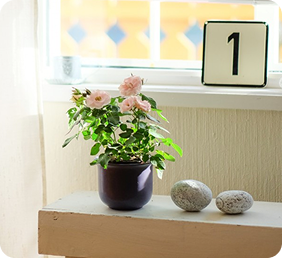
- Elegant textures surrounding spinkings for sophisticated home design
- Understanding the Composition of Spinkings
- The Role of Material in Achieving Desired Effects
- Applications of Spinkings in Interior Design
- Beyond Surface Treatments: Sculptural Spinkings
- Integrating Spinkings with Existing Decor
- Achieving Harmony Through Texture and Tone
- Future Trends in Spinking Design
- Exploring the Sensory Dimensions of Textured Interiors
Elegant textures surrounding spinkings for sophisticated home design
The world of interior design is constantly evolving, with new textures and materials emerging to redefine spaces. Among these innovative elements, spinkings are gaining recognition for their unique ability to add depth and sophistication to both modern and traditional homes. These aren't simply decorative additions; they represent a shift towards tactile experiences, a desire to engage with the surfaces around us in a more meaningful way. By incorporating these textured surfaces, designers can create environments that are not only visually appealing but also inviting and comforting.
The appeal of textured surfaces like spinkings lies in their inherent ability to transform the ambiance of a room. They introduce visual interest, breaking up monotony and drawing the eye, and importantly, they manipulate how light interacts with a space, creating subtle shadows and highlights that enhance depth and dimension. This focus on texture allows for a subtle luxury, moving away from overt displays of wealth and instead embracing a more refined and understated aesthetic. This trend parallels a broader movement in design towards mindful living and creating spaces that promote well-being.
Understanding the Composition of Spinkings
When we talk about spinkings, we're referencing a broad category of surface treatments characterized by their intricate and often organic patterns. These patterns aren’t necessarily detailed carvings or pronounced relief work – instead they often rely on subtle variations in material depth and density to create a visual and tactile effect. It’s a delicate interplay of these qualities that defines the charm of this design element. The base material of spinkings can vary considerably, including natural materials like wood, stone, or even carefully cultivated organic materials. Modern applications also embrace synthetic polymers and composites, offering a wider range of aesthetic possibilities and enhanced durability.
The Role of Material in Achieving Desired Effects
The choice of material significantly impacts the overall look and feel of spinkings. For example, wood spinkings often evoke warmth and a sense of natural beauty, fitting well into rustic or farmhouse-style interiors. Stone spinkings, on the other hand, convey a sense of permanence and luxury, complementing more contemporary designs. Beyond the material itself, the method of creating the textured surface is also crucial. Techniques like sandblasting, etching, or carving can produce vastly different results, each lending a unique character to the final product. Selecting the right combination of material and technique is key to achieving the desired aesthetic.
| Material | Typical Aesthetic | Durability | Cost (Relative) |
|---|---|---|---|
| Wood | Warm, Natural, Rustic | Moderate | Moderate |
| Stone | Luxurious, Timeless, Contemporary | High | High |
| Polymer Composites | Versatile, Modern, Customizable | Very High | Moderate to High |
Beyond these core materials, we're seeing increasing experimentation with innovative options like recycled materials and bio-based polymers, furthering the commitment to sustainable design practices. The ability to incorporate these eco-friendly alternatives without sacrificing aesthetic quality is a significant advantage for environmentally conscious consumers.
Applications of Spinkings in Interior Design
The versatility of spinkings allows for their integration into a wide range of interior design applications. They aren't limited to wall coverings or decorative panels; they can be found on furniture, flooring, and even lighting fixtures. A strategically placed spinked panel can become a focal point in a room, drawing attention and adding a sense of artistry. When used on furniture, spinkings can elevate a simple piece into a statement item, transforming an ordinary coffee table or console into a conversation starter. Moreover, the subtle textural variations can create a soothing and calming atmosphere, especially when used in spaces designed for relaxation like bedrooms or living rooms.
Beyond Surface Treatments: Sculptural Spinkings
While often used as surface treatments, spinkings can also be employed in a more sculptural manner. Designers are increasingly creating three-dimensional installations using spinked materials, forming abstract shapes or mimicking natural forms. These sculptural elements can serve as room dividers, artistic accents, or even functional pieces like benches or seating arrangements. This approach adds depth and complexity to the space, transforming it into a dynamic and immersive environment. The integration of lighting within these sculptural spinkings can further amplify their visual impact, creating dramatic shadows and highlights that shift throughout the day.
- Spinkings can be used to create feature walls that add texture and visual interest.
- Furniture featuring spinked surfaces can elevate the overall design scheme.
- Spinkings can be incorporated into lighting fixtures for a unique and ambient glow.
- Sculptural spinked installations can serve as artistic focal points within a space.
- The textural quality of spinkings contributes to a more inviting and calming atmosphere.
The adaptability of these textures means they fit seamlessly into diverse styles; from minimalist contemporary designs to heavily decorated classical interiors. The key lies in understanding the material and how it interacts with light and other elements within the room.
Integrating Spinkings with Existing Decor
One of the strengths of utilizing spinkings in interior design is their inherent compatibility with a wide range of existing décor styles. They can seamlessly blend into a minimalist aesthetic, adding a subtle layer of complexity without overwhelming the space. Conversely, they can complement more ornate designs, enhancing their richness and depth. When integrating spinkings into an existing space, it's crucial to consider the color palette and overall mood. Neutral-toned spinkings can provide a versatile backdrop, allowing other elements to take center stage. Bolder, more vibrant spinkings can serve as statement pieces, creating a focal point that draws the eye.
Achieving Harmony Through Texture and Tone
Successful integration requires careful consideration of texture and tone. A rough, textured spinking might contrast beautifully with smooth, polished surfaces, creating a dynamic interplay of materials. Alternatively, using spinkings with a similar tone to the surrounding décor can create a more cohesive and harmonious look. To avoid a cluttered appearance, it's often best to limit the use of spinkings to a few strategic areas, allowing them to make a significant impact without dominating the space. Experimentation is vital – try incorporating spinkings in unexpected places, such as behind shelving units or as backsplashes in kitchens.
- Begin by assessing the existing color palette and style of the space.
- Choose spinkings that complement or contrast the existing décor in a balanced way.
- Limit the use of spinkings to strategic areas to avoid visual clutter.
- Experiment with different materials and textures to achieve the desired effect.
- Consider the role of lighting in enhancing the textural qualities of the spinkings.
Remember that the textures aren’t meant to overpower but to enhance the existing design. A measured and thoughtful approach is critical for achieving a balanced and visually appealing result. The intention should be to elevate the space, not to overwhelm it.
Future Trends in Spinking Design
The world of spinking design is constantly evolving, driven by advancements in materials technology and a growing emphasis on sustainability. One emerging trend is the use of bio-based materials, such as mycelium or algae-based composites, to create environmentally friendly spinkings. These materials offer a unique aesthetic and a significantly reduced environmental footprint. Another exciting development is the exploration of generative design algorithms, which allow designers to create incredibly complex and organic spinking patterns that would be impossible to achieve through traditional methods. These algorithms can respond to specific design parameters, allowing for a high degree of customization and personalization.
We are also seeing a move towards more interactive spinkings – surfaces that respond to touch or light, creating a dynamic and engaging experience for the user. Imagine a wall panel that changes color or texture in response to the ambient temperature, or a furniture piece that illuminates when touched. These advancements promise to transform the way we interact with our surroundings, blurring the lines between art, design, and technology. The use of 3D printing is also becoming increasingly prevalent, allowing for the creation of intricate and customized spinking patterns with unprecedented precision.
Exploring the Sensory Dimensions of Textured Interiors
Beyond the purely visual, the increasing interest in materials like spinkings reflects a growing understanding of the importance of sensory experiences within interior design. Texture isn't just about how something looks; it's about how it feels – both physically and emotionally. A textured surface can evoke feelings of warmth, comfort, or even excitement, depending on its material and pattern. This focus on sensory engagement aligns with the principles of biophilic design, which seeks to connect people with nature and create spaces that promote well-being. By incorporating natural materials and organic textures, designers can create environments that are more relaxing, restorative, and conducive to creativity.
Consider, for instance, the application of spinkings in hospitality design. A hotel lobby featuring a textured wall panel not only adds visual interest but also creates a welcoming and inviting atmosphere that immediately puts guests at ease. Similarly, in healthcare settings, textured surfaces can provide a calming and soothing environment for patients and staff. This emphasis on the sensory experience is transforming the way we think about interior design, moving beyond purely aesthetic considerations to embrace the holistic impact of spaces on our physical and mental well-being. It’s a move that promises a more thoughtful and human-centered future for design as a whole.