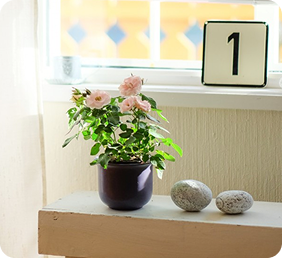
- Gorgeous textiles featuring smokace bring a modern touch to interior spaces
- Understanding the Composition and Production of Smokace
- Smokace in Modern Interior Design: Applications and Styles
- Integrating Smokace with Complementary Colors and Materials
- Exploring Different Shades and Finishes of Smokace
- Smokace and its Application in Different Lighting Scenarios
- The Future of Smokace Textiles: Innovation and Sustainability
- Beyond Interiors: Smokace in Unexpected Applications
Gorgeous textiles featuring smokace bring a modern touch to interior spaces
The world of interior design is constantly evolving, with new textures, patterns, and materials emerging to redefine how we experience spaces. Among these innovations, textiles featuring smokace are gaining significant traction, offering a unique blend of modern aesthetics and subtle sophistication. This distinctive fabric is quickly becoming a favorite among designers and homeowners alike, thanks to its versatility and ability to effortlessly elevate any interior scheme. It brings a sense of understated luxury and a contemporary feel that compliments a diverse range of styles.
The appeal of smokace lies in its chameleon-like quality. It can appear different depending on the lighting, the surrounding colors, and even the viewing angle. This dynamic characteristic adds depth and intrigue to any room, preventing it from feeling static or predictable. Furthermore, smokace fabrics are often crafted with a focus on both visual appeal and tactile comfort, ensuring they are as pleasing to touch as they are to behold. Its growing popularity is a testament to consumers’ desire for textiles that are both beautiful and practical.
Understanding the Composition and Production of Smokace
Smokace isn’t a single material but rather refers to a finish or treatment applied to various textiles, primarily those woven from natural fibers like cotton, linen, and silk, but also increasingly seen on sophisticated synthetic blends. The process typically involves a specialized dyeing and finishing technique that creates a nuanced, almost smoky effect, hence the name. This effect isn’t achieved with a single color, but instead with careful layering and blending of subtle shades, often within the gray, beige, and taupe families, although bolder color variations are emerging as designers experiment with the aesthetic. The key to a successful smokace finish lies in the precision of this layering, ensuring a depth of color that is both visually engaging and harmonious.
The manufacturing process can vary depending on the base fabric and the desired effect. Some producers use eco-friendly dyes and sustainable practices, catering to the growing demand for environmentally conscious options. Others focus on creating highly durable and stain-resistant finishes, making smokace fabrics ideal for high-traffic areas like living rooms and dining rooms. The complexity of the process contributes to its relative exclusivity and often higher price point compared to traditionally dyed textiles. This increased production cost also supports the use of skilled artisans and higher quality base materials.
| Fabric Type | Typical Smokace Finish | Durability | Common Applications |
|---|---|---|---|
| Cotton | Soft, muted grays and beiges | Moderate | Upholstery, draperies, bedding |
| Linen | Textured, natural smokace tones | High | Curtains, cushions, tablecloths |
| Silk | Luminous, shimmering smokace effects | Delicate | Decorative pillows, throws, accent pieces |
| Polyester Blend | Highly durable, fade-resistant smokace | Very High | Outdoor furniture, commercial upholstery |
The table above illustrates how the smokace finish adapts beautifully to different base fabrics, each offering unique benefits in terms of aesthetics, durability, and practical application. The right choice depends heavily on the intended use and the overall design vision.
Smokace in Modern Interior Design: Applications and Styles
The versatility of smokace makes it a perfect fit for a broad spectrum of interior design styles. In minimalist spaces, it adds subtle texture and depth without overwhelming the clean lines and neutral palettes. It pairs exceptionally well with natural materials like wood and stone, creating a sense of organic warmth and tranquility. Conversely, smokace can also complement more opulent styles, such as Art Deco, by providing a grounding element that balances the richness of metallic accents and geometric patterns. The ability to blend seamlessly with diverse aesthetics is a key factor in its widespread adoption by designers.
Specifically, smokace is becoming a staple in upholstery, appearing on sofas, armchairs, and headboards. Its soft, inviting appearance encourages relaxation, while its durable nature ensures longevity. Beyond upholstery, it’s also frequently used for window treatments, offering a sophisticated alternative to traditional drapes and blinds. The gentle diffusion of light through a smokace curtain can create a wonderfully soft and welcoming atmosphere in any room. It is also frequently found in accessories such as cushions and throws.
Integrating Smokace with Complementary Colors and Materials
To maximize the impact of smokace textiles, consider pairing them with complementary colors and materials. Warm neutrals like creams and browns enhance the smoky tones, creating a harmonious and inviting palette. Cooler shades, like blues and greens, provide a refreshing contrast, adding a touch of vibrancy. Metallics, such as gold and brass, elevate the aesthetic, introducing a sense of luxury and sophistication. Experimenting with textures is also vital; combining smokace with rough-hewn wood, sleek metal, or plush velvet adds visual interest and depth.
When selecting complementary materials, keep in mind the overall mood you want to create. For a calming and serene space, opt for natural materials and muted colors. For a more dynamic and energetic ambiance, incorporate bolder hues and contrasting textures. Careful consideration of these elements will ensure that your smokace textiles seamlessly integrate into your design scheme and enhance the overall aesthetic.
- Layering Textures: Combine smokace with materials like leather, wood, or wool to add depth.
- Neutral Palettes: Partner smokace with creams, beiges, and grays for a cohesive look.
- Metallic Accents: Incorporate gold, silver, or brass for a touch of luxury.
- Plant Life: Introduce greenery to bring a natural element and contrast the smoky tones.
- Lighting Control: Use dimmable lights to showcase the shifting tones of smokace.
These suggestions are not hard and fast rules but rather starting points for exploring the creative possibilities of integrating smokace into your interior design projects. The key is to experiment and find combinations that reflect your personal style and preferences.
Exploring Different Shades and Finishes of Smokace
While the term "smokace" often conjures images of gray-toned fabrics, the reality is far more diverse. Designers are now experimenting with a wider range of colors and finishes, expanding the aesthetic possibilities of this versatile textile. Subtle variations in tone, from cool silver-grays to warm taupe-browns, can dramatically alter the mood and ambiance of a space. Furthermore, specialized finishing techniques can add texture and dimension, creating unique visual effects. Understanding these nuances is crucial for selecting the right smokace fabric for your specific needs.
Beyond the color variations, different weaving techniques and dye applications can create unique smokace finishes. Some fabrics have a subtle heathered appearance, while others feature a more pronounced, marbled effect. Certain producers even offer custom dyeing services, allowing designers to create bespoke smokace shades that perfectly match their clients' preferences. As the demand for personalized interiors grows, we can expect to see even greater innovation in this area.
Smokace and its Application in Different Lighting Scenarios
The appearance of smokace is strongly influenced by lighting conditions. In bright, natural light, the subtle color variations become more apparent, revealing the depth and complexity of the finish. In low light, the fabric takes on a more muted and sophisticated appearance. It's important to consider these variations when selecting smokace for a particular space. For example, a smokace sofa in a north-facing room may appear darker and cooler than the same sofa in a south-facing room.
Artificial lighting also plays a crucial role. Warm-toned light bulbs enhance the golden undertones of smokace, creating a cozy and inviting atmosphere. Cool-toned light bulbs accentuate the silver-gray shades, giving the fabric a more modern and sophisticated look. By carefully controlling the lighting, you can manipulate the appearance of smokace to achieve the desired effect. Experimentation with different lighting schemes is highly recommended.
- Assess Natural Light: Determine the amount and direction of natural light in the space.
- Choose Bulb Temperature: Select warm or cool-toned light bulbs based on your desired aesthetic.
- Layer Lighting: Combine ambient, task, and accent lighting to create depth and dimension.
- Consider Dimmers: Install dimmers to adjust the intensity of the light and showcase the shifting tones of smokace.
- Test Color Swatches: View smokace swatches under different lighting conditions before making a final decision.
Following these steps will help to ensure your smokace textiles look their best, regardless of the lighting environment.
The Future of Smokace Textiles: Innovation and Sustainability
The trend towards smokace textiles isn't slowing down; it’s evolving. Researchers and designers are constantly exploring new ways to enhance the aesthetic qualities and improve the sustainability of smokace fabrics. One exciting development is the use of bio-based dyes derived from natural sources, reducing the environmental impact of the production process. Another area of innovation is the development of performance-enhanced smokace fabrics that are more stain-resistant, fade-resistant, and durable. These advancements are making smokace an even more appealing option for both residential and commercial applications.
Furthermore, there's a growing focus on creating smokace textiles from recycled materials. This circular approach to textile production reduces waste and conserves resources, aligning with the increasing demand for eco-conscious design solutions. We’re likely to see more brands embracing these sustainable practices in the coming years, offering consumers a guilt-free way to enjoy the beauty and versatility of smokace.
Beyond Interiors: Smokace in Unexpected Applications
While primarily celebrated within interior design, the adaptable nature of smokace fabrics is prompting exploration into unexpected arenas. Recent fashion collections have featured garments incorporating smokace textures, showcasing a delicate interplay of shade and form. The automotive industry is also experimenting with smokace-inspired materials for vehicle interiors, aiming for a luxurious and calming passenger experience. This diversification signals a broader appreciation for the subtle sophistication smokace offers, extending its influence beyond the traditional realm of home decor.
Another interesting development is the integration of smokace motifs into art installations and product design. Artists are utilizing the unique coloring and texture to create visually arresting pieces, while designers are incorporating smokace-inspired patterns into everything from wallpaper to accessories. This cross-disciplinary application demonstrates the enduring appeal and creative potential of this remarkable textile, solidifying its position as a noteworthy trend in the wider creative landscape.